
We believe that fostering creativity and continuous improvement can lead to disruptive solutions in the agri-industrial sector, resulting in greater efficiency across the entire value chain while safeguarding natural resources.
Innovation
Our innovation approach is built on three main pillars:
Technology Development
Projects on
Research
& Development
Collaborative Network

Technology Development
Through strategic partnerships, third-party engagements as well as in-house developments, we embrace new technologies in our businesses to boost their performance.
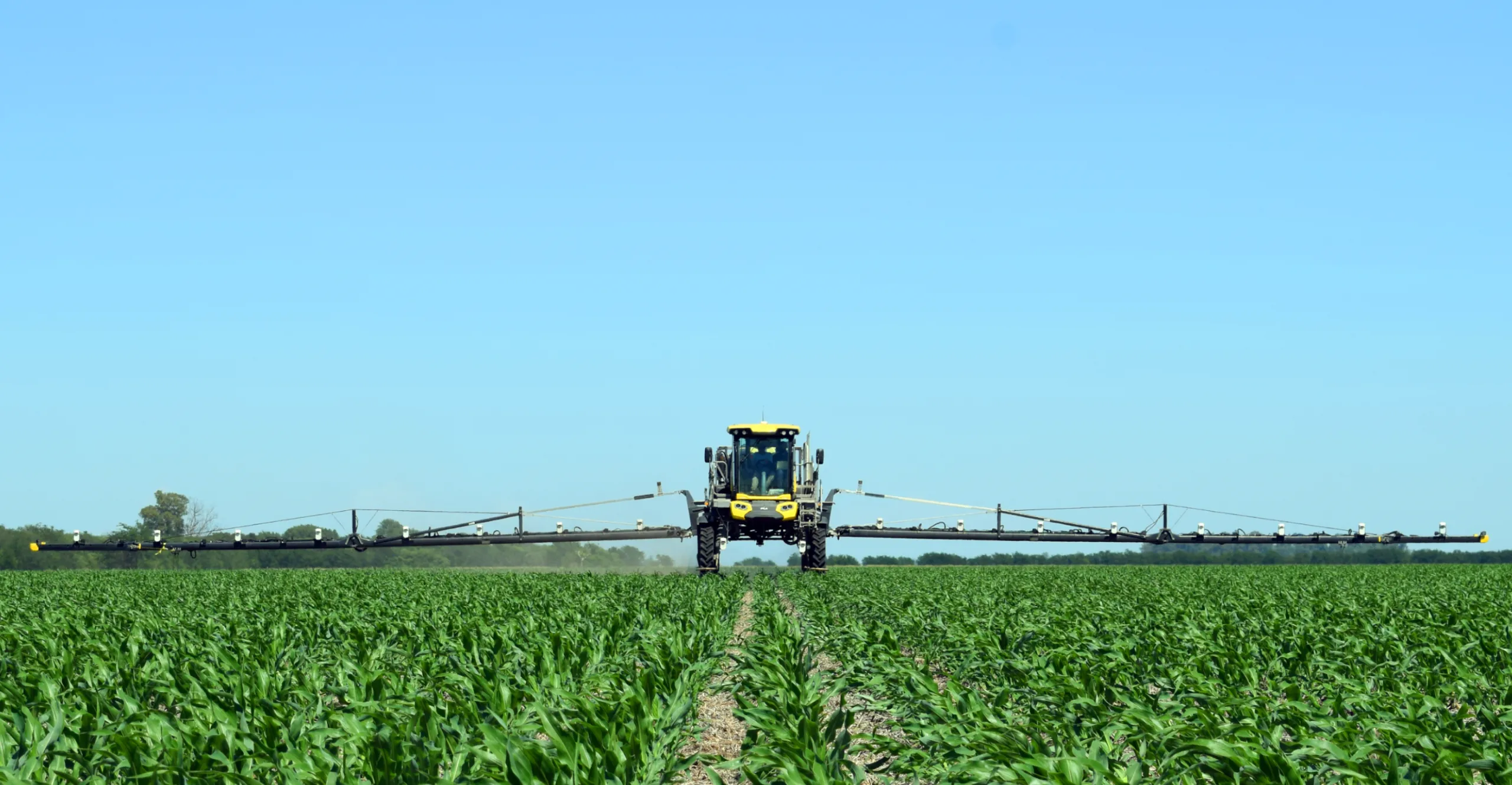
We are running tests on selective spray equipment based on various technologies, some of them including artificial intelligence. Through a partnership with DeepAgro, we have implemented explorer cameras in our agricultural equipment, which gather images from our fields and then apply the phytosanitary products if a weed is detected, reducing on average 70% of its usage. We expanded this trial to our Sugar, Ethanol & Energy business to test the technology with sugarcane.

Projects on Research & Development
We continuously explore new solutions to improve the performance of our operations, expand our product portfolio and, thereby, unlock value for stakeholders.
We do so by implementing cutting-edge technologies either developed in-house or through strategic partnerships.
Explore our projects!
Green Mobility

We are scaling up our biomethane production by investing in the construction of two new biodigesters, which will enable us to produce the equivalent to 14 million liters of diesel annually.
Biomethane is used as an alternative source of fuel for adapted vehicles, such as our light fleet, and we are testing it on our sugar freights.
In another line of green mobility action, we are analyzing the use of vinasse (input for the biomethane production) to produce biodiesel.
Seed Development

In our seed facility, we are involved in the genetic improvement of new rice varieties.
Our objective is to obtain superior cultivars with better yields, industrial performance, commercial quality, and culinary parameters driven by market demand. Therefore, we have entered into agreements with selected research institutions for the development of varieties that are resistant to specific herbicides and have lower risks of plagues and diseases.
So far, we have released five varieties onto the market, and we are currently experimenting with a wide range of varieties to continue improving our productivity (including the development of a hybrid line).
Smart Carbon Management

We are partnering with Alethia to deploy next-generation, in-field monitoring systems that directly measure greenhouse gas emissions and carbon flows at ecosystem level.
The project is being implemented in our rice operations in Santa Fe (Argentina), combining high-frequency sensor data with scientific analysis aligned with international standards. This approach allows us to move beyond estimations and significantly improve the accuracy, transparency, and traceability of our environmental data.
By integrating continuous, real-world measurements into our operations, we are advancing toward a truly data-driven model of agricultural management — enabling better decisions, strengthening credibility, and unlocking new pathways to generate environmental value.

Collaborative Network
We actively collaborate with start-ups, entrepreneurs, research associations and other key players within the agribusiness space to find, develop and engage in strategic partnerships. Moreover, we have participated in several panels and forums throughout the year to discuss the relevance of new technologies to boost agricultural best practices.
BCR Innova
World Agri-Tech
Endeavor
CREA
British Embassy in Argentina


